December 12, 2025
Karl Boothman is the model image of a Michigander. When asked where he’s from, he instinctively presses into the pseudo-map on the palm of his hand with his pointer finger and says, “right around here.”
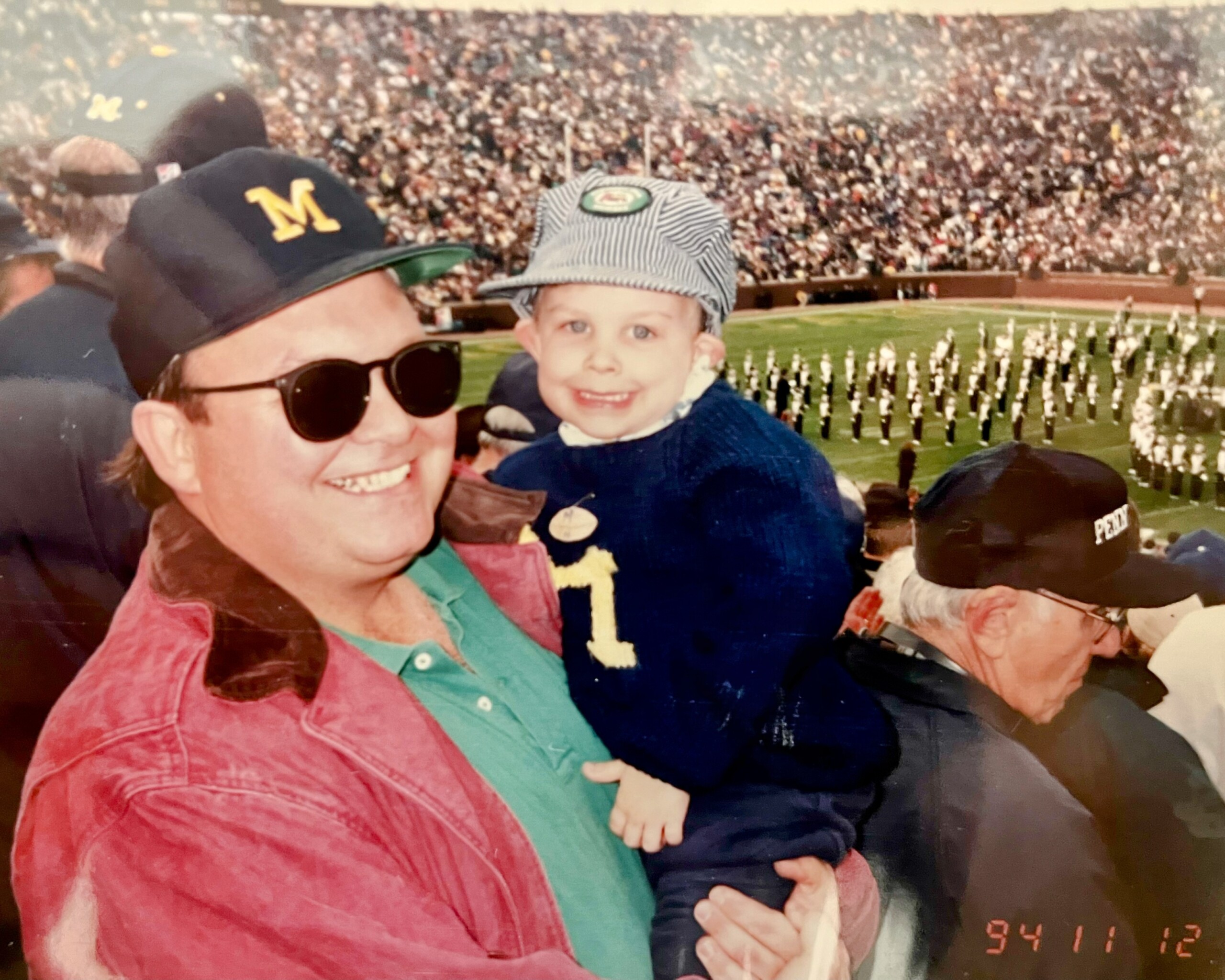
Karl’s earliest memories of nature are of the Great Lakes and other inland lakes that span across the state — making up one-quarter of the world’s surface freshwater. His family took trips to places like Lake Charlevoix in Northern Michigan where he learned to fish from a small bass boat and catch frogs in the swamp.
“When you grow up in Michigan, the water is a part of all of us. People take immense pride in the Great Lakes region,” Karl shared. “You may not be very outdoorsy, but the water still becomes a part of your identity.”
Karl considers the Great Lakes a natural wonder of the world.#

“I don’t think people understand until they visit. I had a friend from California who came to visit Michigan, and she was blown away. You could see waves on Lake Superior that looked like waves on the Pacific Ocean — and there’s four other lakes like that.”
He played rugby for the University of Michigan, and it was his main focus for the first three years he attended college. But at the end of his junior year, things took a turn. After too many concussions throughout his years of playing high-level contact sports, Karl found himself unable to play rugby, suddenly separated from his main identity and friend’s group, and he was struggling to focus.
“I was having real problems,” Karl recounted. “I was having problems focusing. I was having problems feeling at peace in my own head. And I was forced to rediscover myself and take time to reflect in solitude.”
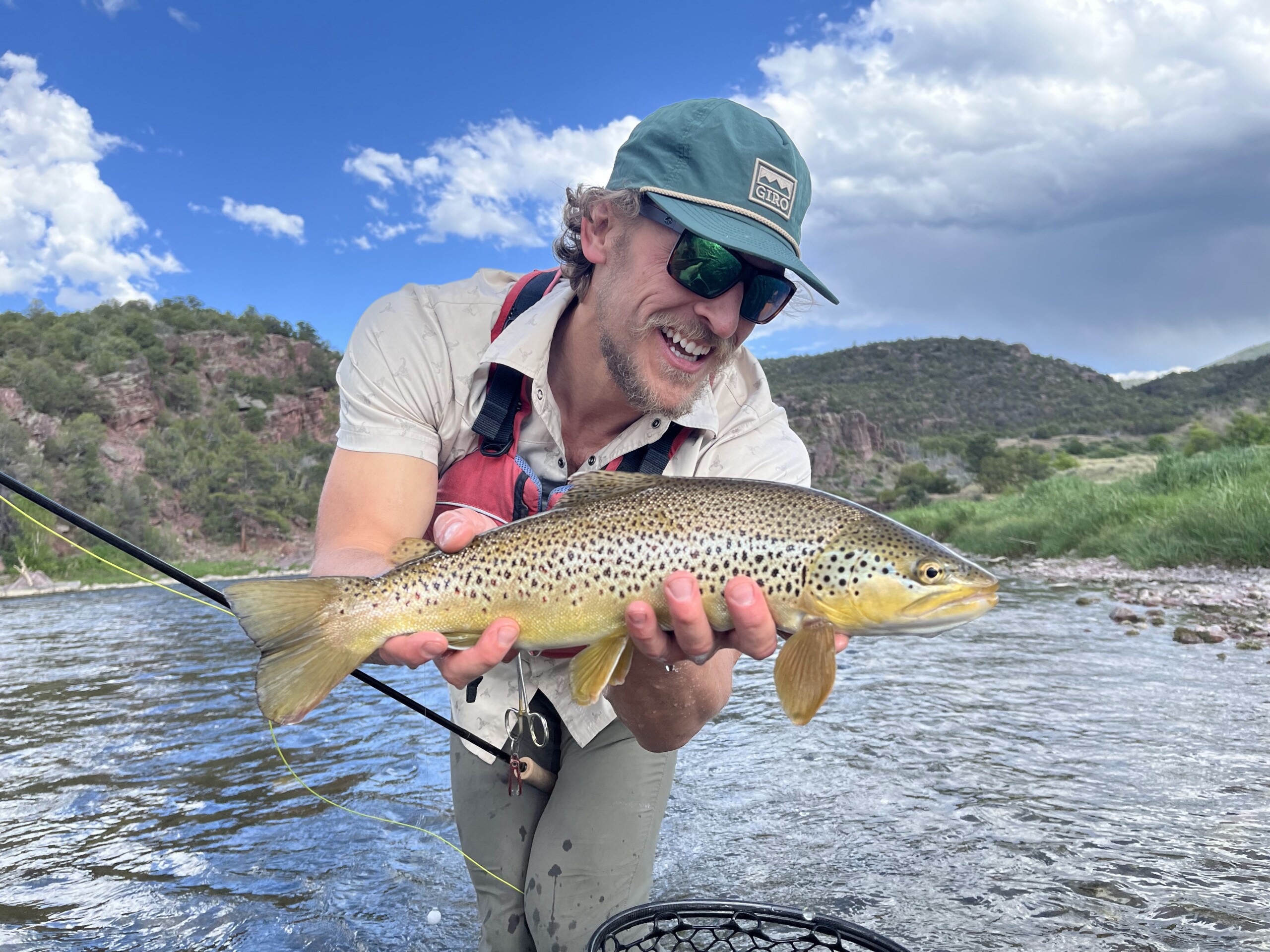
Searching for that peace and solitude outside of rugby, Karl turned back to fly-fishing. He had consistently enjoyed the sport since he was 8 years old but set it aside while dedicating his time to rugby.
Standing or floating on a river with a fly rod, he found a sense of peace. #

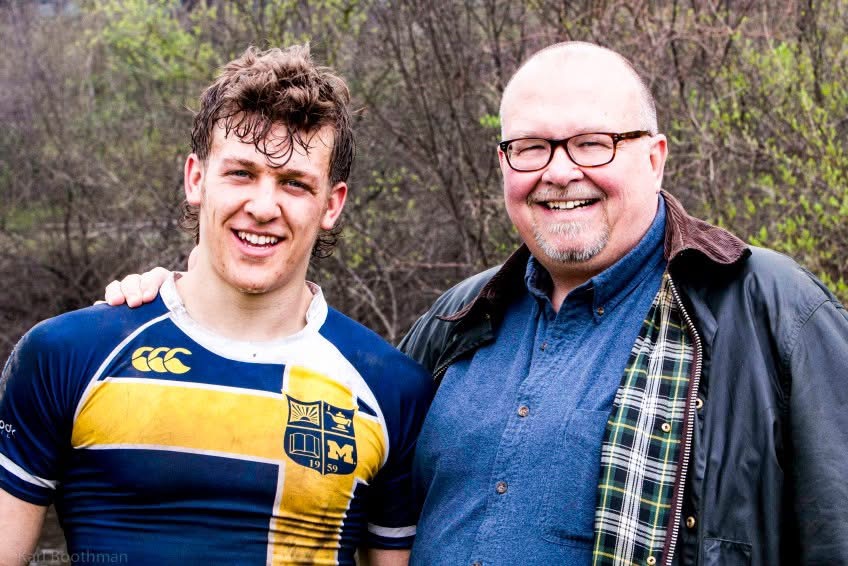
“It gave me the space to learn about myself again and reconfigure myself to my new reality. Fly-fishing became a necessity for me,” he shared. “Fly-fishing taught me mindfulness and gratitude, and it rekindled my love for the outdoors.”
This transformation snowballed and pushed Karl further into his advocacy journey. He joined the Society of Les Voyageurs, a student outdoor society at the university, and started going on trips with the group to camp, climb, and bike.
He met his wife through the society, and it’s where his passion and professional life began to meld. #
While he had started school as an economics and statistics major, Karl added a minor to focus on environmental studies due to his experiences. Using his rigorous economic background, he saw the value in blending science and policy. “We have all these tools in economics to value the natural world and the benefits it provides us, but we don’t apply them in the same way that we do for industry. I found myself wanting to use economic valuation methods to protect the natural world,” he said.
Karl was able to apply his theory after college. While working at a consulting firm that focused on industrial economics and antitrust work, his supervisor saw his interest in environmental issues and began to give him related cases. For example, Karl worked on cases investigating collusion and overfishing in the tuna fishing industry, predatory bidding in the timber industry, and auction rigging for oil and gas leases.
But his full immersion into environmental advocacy came when he learned about a pipeline under the Great Lakes. #
A crude oil pipeline runs under the Straits of Mackinac, between Lakes Michigan and Huron, which has more daily current than the Mississippi River. “You couldn’t have picked a worse place to have an aging oil pipeline,” Karl commented. “In the event of a spill, it would be devastating to the Great Lakes.” The 1950s pipeline, authorized by a $2,500 fee for a perpetual easement on the lake’s bottom, was fairly unnoticed by Michigan, but documents surfaced revealing the lurking dangers. “I took this as a personal threat to everything I love, so I wanted to use economics to begin to estimate the lost value of tourism revenue to the state in the case of an oil spill,” Karl explained. He left his job to intern at a nonprofit organization that focused on water law and policy, making next to nothing while living in a backpacking tent in Northern Michigan. Dedicated to working on energy and water issues in the Great Lakes region, he commuted to work via bicycle. This eventually led to a job at an energy consulting company where Karl worked on behalf of environmental nonprofits and began to focus on regulatory work, energy policy, and economics.
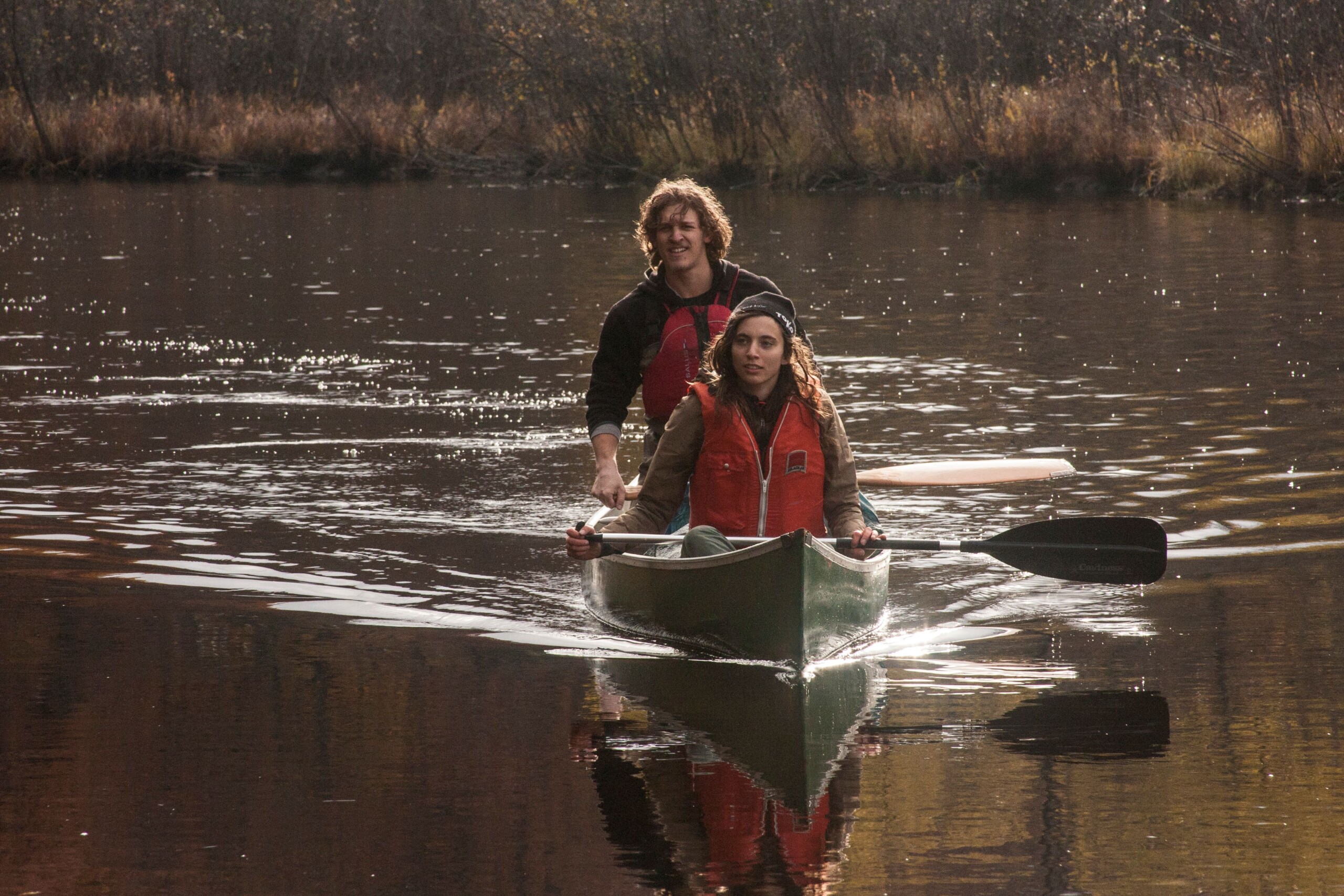

During this period, Karl found himself out West — following his girlfriend (now wife) to Nevada City, California, for her job.
“I had always wanted to go West, but never pulled the trigger,” Karl shared. “I came to love Nevada City. It was a tiny gold rush town full of artists and farmers — a melting pot of people.
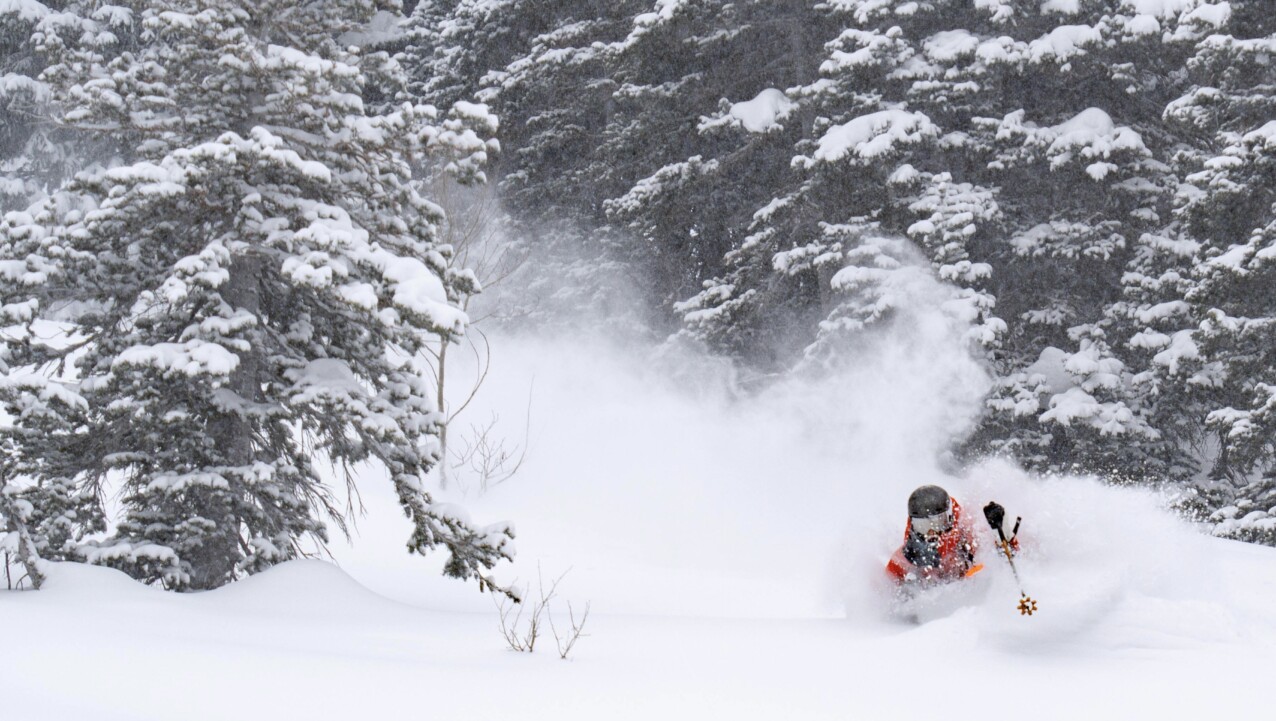
From there, they eventually found themselves in Utah. After living in the Beehive State for a few years, Karl wanted to apply his skills to issues that were impacting him locally and the areas that he frequents to ski and mountain bike.
In 2022, Karl joined WRA as a senior policy advisor on the clean energy team. He explained that when the job came up, he knew he was a great candidate because it entailed the same type of work he was already doing — regulatory economics and environmental policy work.
“It was a great fit. I love the team we have in Utah,” he said.
While some may view Utah as a challenging place to secure environmental wins, Karl sees it in a different light. #
“I have had mentors from across the political spectrum who care deeply about the environment so, for me, conservation has never been a partisan issue,” Karl reflected. “I’ve really enjoyed working in Utah. There are some areas where it’s really hard to make progress environmentally but, in other areas, we’ve seen workable conservation solutions that avoid the partisan divide.”
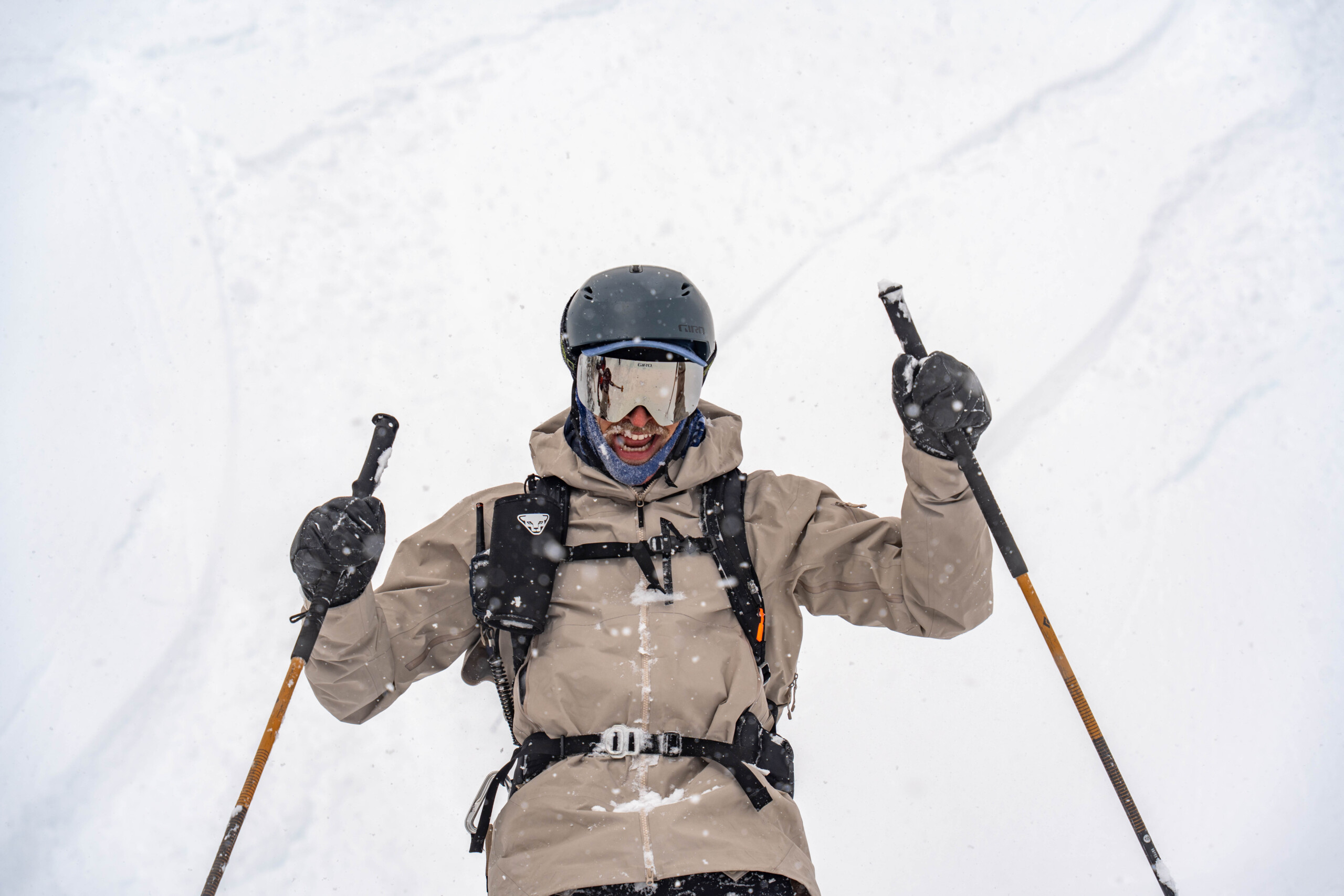
For Karl, conservation is something that makes everyone’s life better and doesn’t discriminate based on ideology. #
“We’ve found unlikely allies in a lot of different places. One example is the air quality in the Northern Wasatch Front,” Karl shared. “It’s an unignorable issue that you can see with your own eyes.” Karl’s work at WRA is broad ranging — from electric vehicles and air quality to utility planning and technical wildfire issues. He works frequently with Utah’s state agencies to implement policies — especially when it comes to air quality. Recently, his testimony was a key piece of evidence that Utah’s Public Utility Commission used to disallow a regional utility from passing roughly $50 million in wildfire-related insurance costs to consumers. Currently, Karl is involved in the “Community Clean Energy Program” docket at the Utah Public Service Commission. Nineteen communities across the state have signed a goal to achieve 100% net renewable energy by 2030 and are pursuing local utilities to increase renewables at the Commission. These communities — cities like Salt Lake, Park City, and Moab — comprise around 30% of the electricity load on Rocky Mountain Power’s Utah system, and the program could make a significant difference in the state’s electricity-sector emissions. “If the communities can get this program off the ground, it will be really exciting,” he commented. “I think it’s a great example of communities listening to their constituents and using local- and state-level action to reduce emissions.” What motivates Karl to continue this work is the common ground you can find to make progress when you take all out the political posturing. “Once you cut through all the rhetoric and confusion, there’s a lot of alignment on conservation issues. When you strike up a conversation at the bar and talk about it in plain language, regardless of what a person may believe, they want to be able to breathe clean air. They want to save money on their utility bills. They want reliable electricity. They want to protect the places where they love to ski, hunt, or fish. This is where we can make progress in a state like Utah.” For Karl, conservation is a value proposition that everyone can get behind, and so he spends his time, day in and day out, showing people — from state agencies to legislators to utilities — how those numbers can work to benefit us all.
Other stories in the series#
Introducing “Topophilia — Journeys to Advocacy Through our Love for the West”
In this series, we’re exploring the human elements of our work flighting climate change in the West. You’ll hear from staff members across the organization about how ...
Topophilia: A Journey Back to the Waterways of New Mexico
In her home state of New Mexico, Anjali Bean is helping break up a decades-long stalemate and bringing both sides of the water debate to the table ...
Topophilia: Turning a Deep Love for Nevada into a Clean Energy Future
Emily Walsh has been deeply embedded in the Sierra Nevada since she was a child. Today, she works to shift the energy landscape of Nevada and to ...
Topophilia: Swimming Upstream to a Clean Water Future
If you find yourself at Boulder Reservoir on a bright summer morning, you’re likely to catch Orla Bannan taking strong, steady strokes across the water as she ...
Topophilia: Guiding a Deeper Connection to Rivers
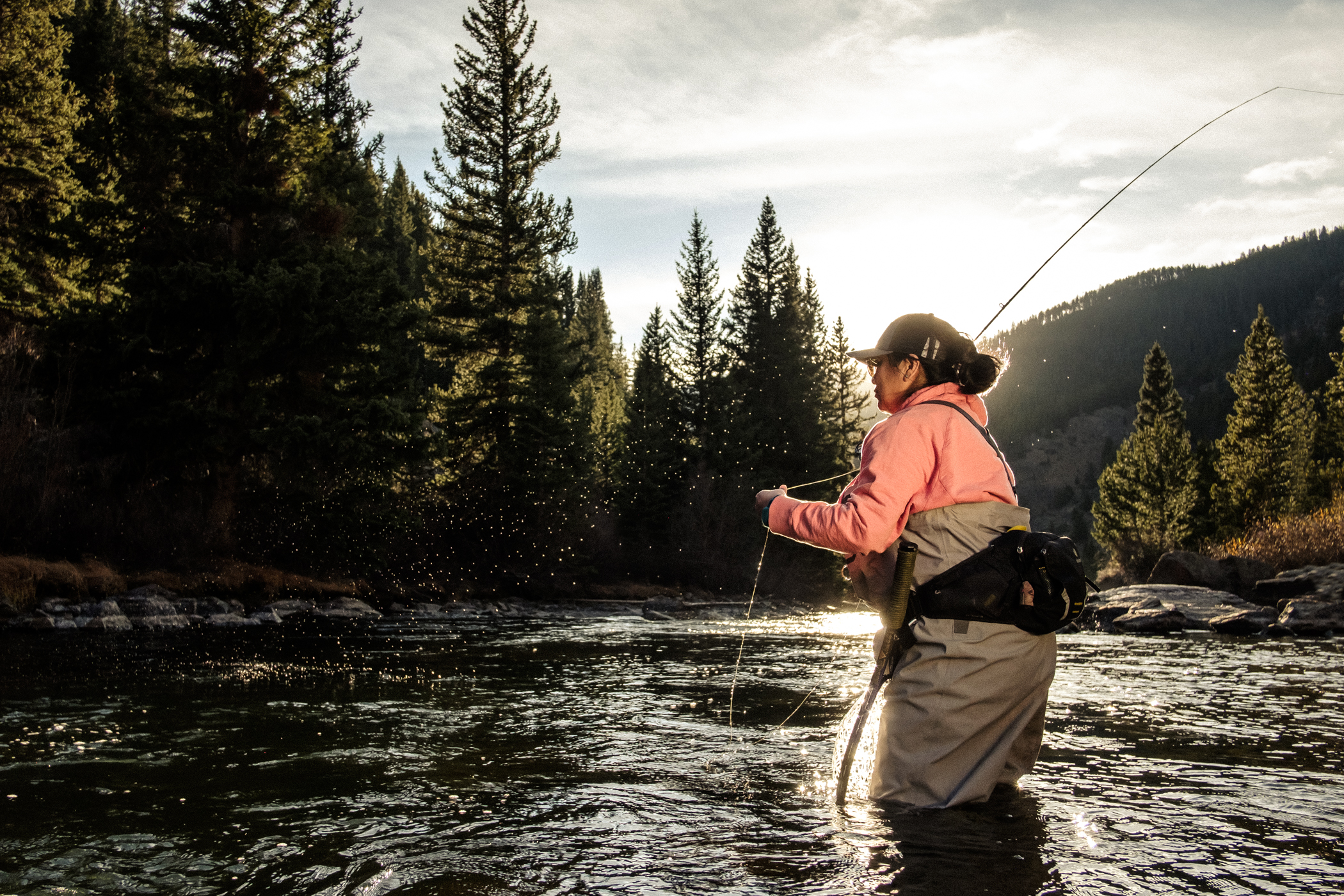
Like the twists and turns of the rivers that carve into canyons across the West, Erica Nelson’s journey has forged its own path.