September 4, 2025
In 1962, Bob Hamre packed up his young family and moved from Madison, Wisconsin to Fort Collins, Colorado for what he thought would be a two-year Forest Service assignment. Instead, the move became permanent and marked the beginning of a lifelong commitment to the West.
“I rode my bike to work every day. I had ready access to the mountains and all the hiking, hunting, fishing, and birding that I loved to do and could introduce my family to,” he remembers. Over the years, those daily rides added up to more than 22,000 miles of commuting by bicycle – a small, but meaningful reflection of his commitment to living in harmony with the environment he was working to protect.
As Leader of the Research Information Group for the Rocky Mountain region of the US Forest Service with degrees in chemistry and technical journalism, Bob worked alongside scientists whose research drove groundbreaking policies on forest health, habitat, and watershed management. He helped interpret their research findings to make them understandable and persuasive, incorporating their findings into publications and presentations.
One of his proudest accomplishments was helping advance a national policy requiring the preservation of dead trees in old-growth forests. These trees are critical habitats for cavity-nesting birds, including owls, nuthatches and swallows. That early shift toward ecosystem management reflected the mission Bob carried through his career: science and research must inform the decisions we make about our forests, rivers, and wildlife.
Why WRA#
That same mission drew him to Western Resource Advocates. Introduced by his daughter Carla, now the WRA board chair, Bob immediately recognized WRA’s unique role in turning data and research into measurable policy outcomes. “WRA employs people who do exactly the kind of science-based policy work I devoted my career to,” he says. “Supporting them ensures future generations can share the outdoors with their family and community.”
The moment that solidified his commitment to WRA came at a donor gathering at the Denver Botanic Gardens, when Carla spoke about legacy: that gratitude for nature isn’t enough, we must also pass on what it has given us. She pointed to her father as an example of someone who shared his love of the outdoors with his family and community and has given back in a lasting way.

WRA employs people who do exactly the kind of science-based policy work I devoted my career to. Supporting them ensures future generations can share the outdoors with their family and community.


A Legacy Gift with Purpose#
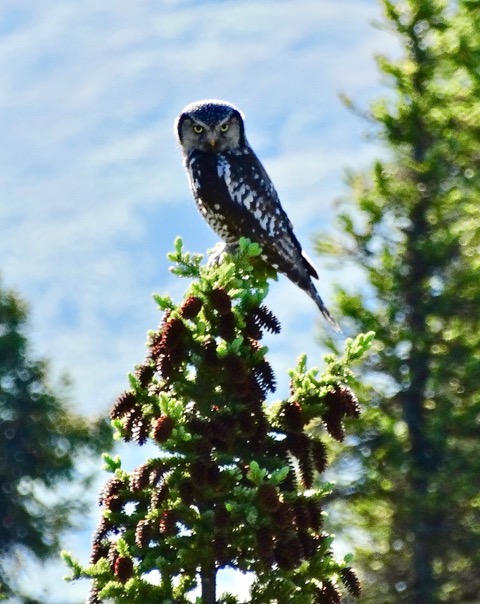
For Bob, the idea of legacy is more than symbolic. A birding trip to Alaska led to a chance encounter with a leading owl researcher, who recognized Bob as the organizer of a symposium that had set the course of his own career in owl research decades earlier. The encounter reminded him how one person’s work can spark impact for generations – the same kind of impact he hopes WRA will carry forward through his legacy gift.
Bob has included WRA in his will, joining a community of legacy donors who are safeguarding the West for generations to come. His planned gift reflects both his life’s work and his personal wish: that future generations will be able to protect and enjoy the natural world, just as he has.
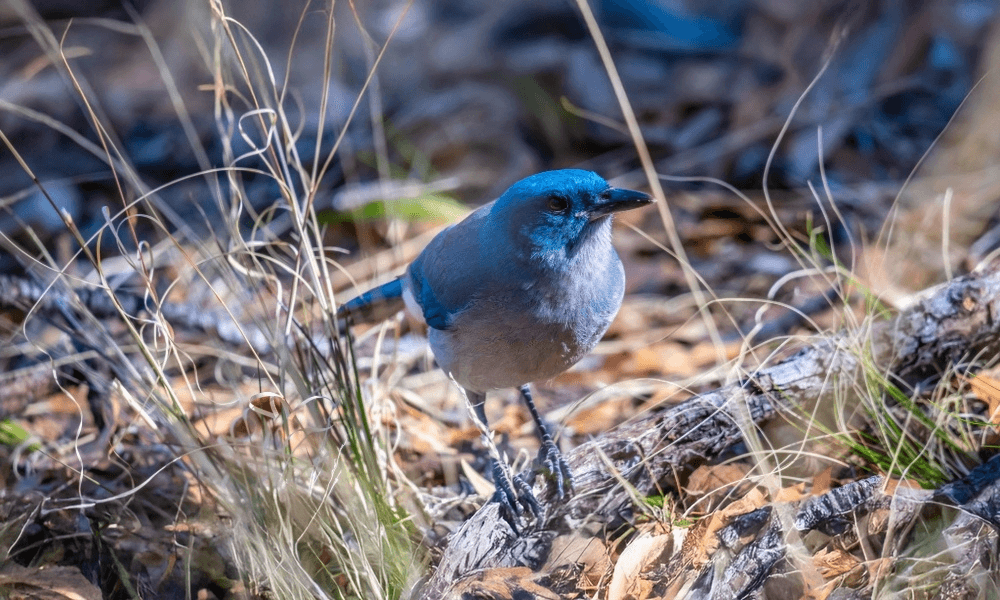
For a lifelong birder, that wish is embodied in places like Madera Canyon in southern Arizona, a serene refuge for native and migratory birds, like the elegant trogon and red-faced warbler, whose habitat is at risk from climate change. Bob has recorded sightings of more than 3,000 bird species worldwide, yet he continues to return to Madera Canyon because of its beauty and importance. Knowing that WRA works in Arizona gives Bob confidence that his gift will protect the places and species he treasures.
By including WRA in his plans, Bob is ensuring that his dedication to science, stewardship, and the outdoors continues to echo forward. He hopes others can have the same lifelong experiences he continues to have entering his 96th year: discovering, protecting, and passing along a vibrant West.

Ready to learn more?#
Download our free Legacy Planning Guide to take your first confident steps toward a meaningful planned gift.