February 27, 2026
WRA Mini Pod: Debunking Clean Coal with a Clean Energy Expert
A WRA expert sets the record straight on clean coal myths from the internet.
Want to listen on a different platform? Please join us and subscribe on Spotify, Amazon Podcasts, Youtube, Apple Podcasts, or wherever you listen to podcasts to stay up to date with our latest episodes. You can also always search for 2 Degrees Out West wherever you like to listen.
We’d love your feedback so we can continue to make our podcast the best it can be. Leave us a review!
In a legally dubious 202c order, the federal government forced the broken, dirty, and unreliable coal power plant to stay open past its planned closure. The craziest part? The plant is currently broken and would need to be fixed – costing millions of dollars.
It’s the latest in the confusing effort from the administration to keep coal power plants online despite the abundance of evidence that there are more efficient, reliable, and cost-effective options.
The main utility that operated Craig 1, Tri-State, had been planning its closure for over 10 years – In part due to its air pollution impacts on places like Rocky Mount National Park and the fact that it’s not needed for reliability.
As a listener, you may already know all of this. This is an issue WRA and others have been vocal about in 2026. We produced a podcast, many social media posts, and currently have an action alert where you can tell your state leadership to fight to close coal power plants in your state.
There are many complex and technical issues related to the energy transition. Retiring coal is not one of them. It is a no-brainer.
However, many online – whether humans or bots coordinated by powerful interests – seem inclined to defend coal.
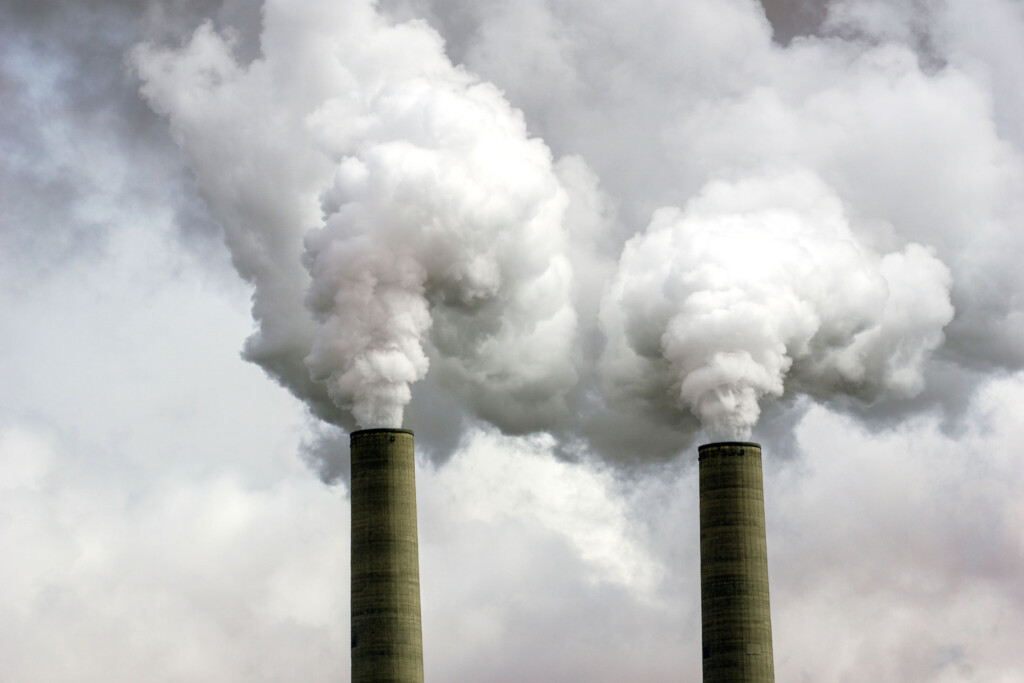
Coal is one of the worst energy sources for the West. Regularly, The West suffers from some of the worst air pollution in the country. Salt Lake City, Denver, Reno, and Phoenix all experience serious levels of ozone and particle pollution. Those pollutants are linked to cancer, lung disease, asthma, and a wide variety of other nasty health concerns. Ending coal power is imperative if we’re going to protect our health in the West.
To help debunk some myths and claims, we asked WRA’s Clean Energy Director, Erin Overturf, to debunk some of the pro-coal comments on our social media.
As a side note – this podcast is available in a video version for those interested in a visual format.
Today’s exciting new video version of 2° Out West: Debunking “Clean Coal” with a Clean Energy Expert!

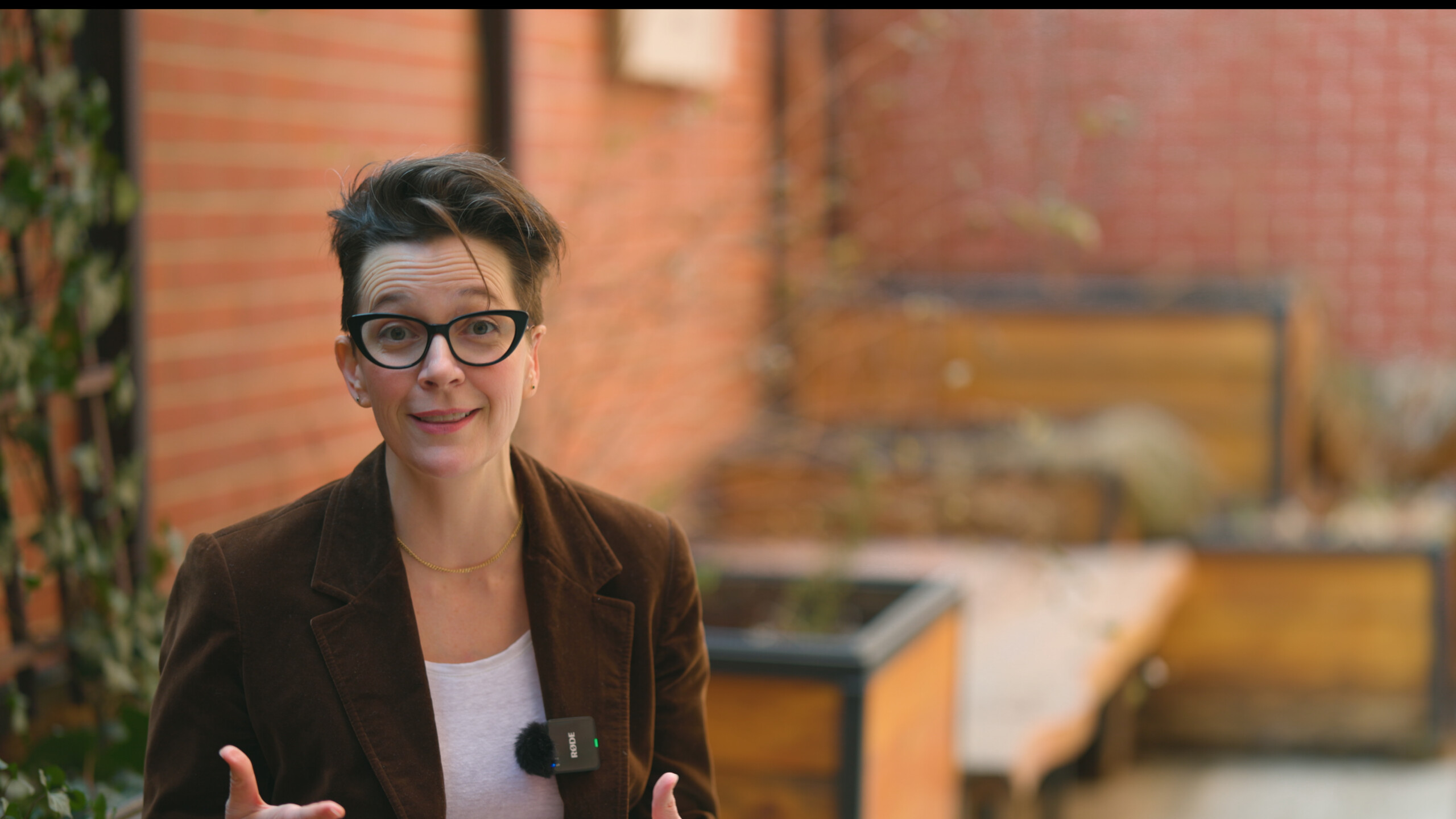
As the Clean Energy Director, Erin Overturf operates throughout the organization’s seven-state region to develop strategic objectives related to decarbonizing the electricity sector and utilizing clean electricity to fuel other end-uses that have traditionally been powered by fossil fuels. Erin and her 26-person team represent WRA in utility regulatory proceedings, air quality proceedings, negotiations, and civil litigation.
Learn more about her work here.
Dave Papineau (Host): [00:00:00] It’s the latest in the confusing effort from the administration to keep coal power plants online despite the abundance of evidence that there are more reliable, efficient, and cleaner options for the West. The main utility that operated at Craig one Tri fate have been planning for its closure for over 10 years, in large part due to its emissions and effects on the local environment.
Places like Rocky Mountain National Park. You may already know all that. We already did a podcast, many social media posts, and an action more on that in a second where you can go tell your state leadership to close coal power plants in your state. For some reason, many people seem inclined to defend coal despite the abundance of evidence that coal is one of the worst energy sources for the West.
Regularly, our home suffers from some of the worst air pollution in the country. Salt Lake City, Denver, Reno, Phoenix, they all suffer from some of the worst particle and ozone pollution in the country. These pollutants are linked to cancer, lung disease, asthma in a wide variety of other serious health concerns.
Getting rid of coal is imperative if we wanna protect our health in the west. [00:01:00] And you’re right, I am not an expert. I’m just a lovely social media manager and podcast host. So I went and found an expert and asked her to debunk some of our proco comments from our social media pages. Welcome to Two Degrees Out West, a podcast for advocates and decision makers seeking solutions to climate change and its impacts across the west on two degrees out west.
We talk with climate experts to bring you the stories and expertise relevant to their work to protect the place that we call home on today’s exciting new video version of Two Degrees Out West, debunking Coal with a Clean Energy expert. Tell me who you are and what you do.
Erin Overturf: Okay. My name is Erin Over Turf, and I’m the Clean Energy Director at Western Resource Advocates.
Dave Papineau (Host): Awesome. Meet Erin over Turf podcast MVP and Clean Energy expert. I’ll let Aaron take it from here.
Erin Overturf: Clean coal is the most economical form of electric generation on the planet, and also the most environmentally safe. Well, what’s clean coal? Really, it’s not a thing. Um, on the topic of the economics of coal, according to Lazar, which is the industry standard [00:02:00] analysis, coal generation has an average levelized cost of energy of about $122 per megawatt hour.
In comparison. Onshore wind is more like $62 a megawatt hour, and solar plus storage is around $91 per megawatt hour. When we’re thinking about this specifically in the context of the the Craig one unit, um, it’s important to note that the fuel operations and maintenance costs necessary to extend the life of that plant are estimated to run as high as $85 million a year.
So, um, cool plants, I think that’s supposed to be coal plants, especially in that area, are highly reliable. You have no idea what you’re talking about. Have fun putting solar up in the rocky mountains, crying, laughing emoji. Um, so completely separate from the Trump administration’s order. Unit one was actually already broken down at the time that that order came out.
There was a mechanical [00:03:00] failure of a valve, so that just goes to show you that. Coal plants do break down like just about anything else. Um, another example is Xcel’s Comanche three coal plant that’s located in Pueblo, Colorado that’s been plagued with breakdowns and operating problems. Since the 750 megawatt plant came online in 2010, it’s actually been shut down for more than 900 days of its total lifetime.
And by the way. Colorado has over 4,800 megawatts of installed solar capacity. It provides around 12% of our overall energy consumption and over 8,000 jobs. Um, American coal is clean again. What do you mean by clean? Burning coal to generate electricity produces sulfur dioxide, which contributes to acid, rain, and respiratory illness.
Nitrogen oxides, which contribute to smog and respiratory illness. Particulates, which contribute to smog, [00:04:00] haze, lung disease, respiratory illness, carbon dioxide, which causes climate change, mercury and other heavy metals which have been linked to both neurological and developmental problems in humans and animals.
And it generates fly ash and bottom ash, which then can leach pollution into groundwater and aquifers in 2022. Carbon dioxide emissions from burning coal for electricity accounted for about 19% of total US energy related carbon dioxide emissions, and about 55% of total carbon dioxide emissions from the power sector.
So again, what do you mean by clean? 70% of power in Colorado is derived by coal genius. This literally hasn’t been true for over a decade. Coal fire power plants accounted for just 27% of Colorado’s total in-state electricity generation in 2024. We need the energy it provides. We don’t have the infrastructure or [00:05:00] transmission lines to provide an alternative.
Nope, that’s not true. The utility and state regulators have been planning for this retirement since 2016, including acquiring replacement generation and all the other necessary grid infrastructure. In fact, in 2025, after a year long litigated resource planning process in front of the Colorado Public Utilities Commission, that regulator determined that Craig one was not required for reliability or resource adequacy purposes, and found that tri-state convincingly concluded that its electric system would meet all relevant reliability metrics even without the unit’s operation.
Solar and wind are totally unreliable. Unless someone is going to blow on the wind turbines and carry a flashlight, we 24 hours a day. Okay, so energy reliability is a system attribute, not about an individual resource. By developing a diverse energy grid that pairs low cost intermittent [00:06:00] renewables like wind and solar, with clean firming resources like energy storage and geothermal, we can absolutely meet our energy needs without coal.
Dave Papineau (Host): What are some of the ways that’s been done in Colorado?
Erin Overturf: So in Colorado, one of the things that we’ve seen is a rapid expansion of the use of energy storage technologies like batteries. So when you are pairing an intermittent resource like solar with a battery storage system, that means that you use the, the electricity that’s being generated by the solar panels at the time when it’s being generated.
But let’s say you don’t need all that power at that specific moment. You put it into the battery so that you can save it and then use it later on in the evening when the sun’s not shining. Contrary to what you hear on the internet, everybody knows that the wind doesn’t always blow and that the sun doesn’t always shine.
And that’s why we’ve been creating an energy system that can be reliable, even given that fact.
Dave Papineau (Host): So if people are worried about, [00:07:00] um, like reliability, is there any time when there wouldn’t be anything generating energy on the grid?
Erin Overturf: Every time that you’re doing a system plan, you are always thinking about that overall system reliability.
So absolutely, if you had a grid that was nothing but solar, it wouldn’t work. You need to have a diversity of resources. So you need solar, you need wind, you need storage, you need clean firm technologies like geothermal or emerging long duration storage opportunities. You might have some gas that you’re using at a very low capacity factor to balance out.
When the needs on the grid exist, you need to look at reliability from a system perspective. It’s not about an individual resource. Those resources acting together as the holistic integrated energy system, which flows and moves electricity across state lines all the time. That’s what creates reliability.
Coal is the most expensive, highest emitting option we can possibly have. There are so [00:08:00] many other alternatives that we can use to power a cleaner. Green electricity grid. Tell me your plan for developing firm power when it closes down. Question mark. Question mark. There is no good, cheap, reliable power generation available now.
Companies can store six months worth of coal. That’s the best energy storage on the planet. Well, WRA didn’t have to come up with the plan ’cause actually the utility already did in 2025 after a year long litigated resource planning process. The Colorado Public Utilities Commission determined that Craig one is not required for reliability or resource adequacy purposes, and it found that Tri-State convincingly concludes that its electric system will meet all relevant reliability metrics even without Craig one on the system.
In fact, Tri-State planned for the retirement of Craig one in every portfolio that it modeled and concluded that it would have excess capacity on its electric system through [00:09:00] 2030. So the idea that we’re shutting down this coal plant without a plan willy-nilly, it’s just not true. We’ve been planning for this for almost a decade.
They are privately owned, not government. So there’s that too. So. It’s true. Um, Tri-State is a wholesale generation and transmission cooperative, so it’s actually made up of its members and the federal government is forcing this generation and transmission cooperative to take actions that are unnecessary and bad for their members, bad for their rate payers.
The owners of Craig want are even arguing that the Trump administration has violated their constitutional rights. When it ordered them to continue running the Craig One plant in a request for rehearing challenging the federal order. The utilities argued that by mandating the generator’s continued availability to operate the order constitutes both a physical taking and a regulatory taking of property by the government without just [00:10:00] compensation or due process In violation of the Fifth Amendment to the US Constitution and federal law.
I guess what I would just say is that there’s a lot of really complex and technical issues related to the energy transition, but retiring coal just isn’t one of them. It’s really a no brainer. Again, many of these plants are incredibly old. They’re unreliable, they’re expensive to operate, they’re very highly emitting, um, of all the challenges that we have in moving to a clean energy future.
Retiring coal is such a no brainer.
Dave Papineau (Host):
There you have it. It’s time to move on. From coal communities want to, utilities want to, states, want to. It’s only this backwards looking administration that wants to make coal a reality when the fact is it’s long gone. The good news is that we’re currently in the 2026 legislative session in both Colorado and all over the West.[00:11:00]
WA has experts in the state legislative houses going and advocating for clean energy policies that are sensible and address the problems that we’re seeing with air pollution in the West. If you wanna take action to get rid of coal wherever you are in Colorado or elsewhere, click the link in our bio to tell your state leadership to kick coal to the curb.
And if you wanna know more specifics about that Craig one situation, you can find an explainer podcast link in the show notes featuring Aaron, where we explained it in a little bit more detail. And sidebar, did you like this format? Let us know. If you wanna find more ways to support our work, you can sign up for our email list, or better yet, become one of our donors and directly support our work to protect the West.
Dave Papineau (Host): Lastly, we’d like to thank our sponsors who are enable our work in the West. Our champion sponsor is First Bank. Our signature sponsors are Denver Water
Dave Papineau (Host): Torch, clean Energy, Scarpa, goco, and Southwest Energy Efficiency Project. Our supporting partners are BSW Wealth Partners, Meridian Public Affairs Group 14, engineering and Kind Design.
[00:08:21] Thank you for listening.
Please consider leaving a review after listening so more people can find our podcast. Also, please check out the further reading list below to check out all of the articles and resources that we mention throughout the episode.
2 Degrees Out West is a podcast from Western Resource Advocates, a regional non-profit organization fighting climate change and its impacts to support the environment, economy, and people of the West. WRA works across seven states to protect our climate, land, air, and water.
2 Degrees out West is a podcast for advocates and decision makers who want to fight climate change and its impacts across the West.
On 2 Degrees Out West, we talk with climate experts and advocates to bring you stories, experiences, and insights from their work in the places we call home.
WRA Mini Pods are quicker, educational shorts to keep you in the loop on key issues in the West. We want to bring you information in a digestible format about the most relevant issues we’re dealing with.
It is hosted by Dave Papineau.
Want to be part of 2 Degrees Out West?
- Email us with thoughts, suggestions, and interviewees at dave.papineau@westernresources.org.
- Follow us @westernresourceadvocates on Instagram.
- Join our email list to stay updated on when new episodes are released and calls to action on how you can help the West.
- Leave a review and share with friends!
 Spotify
 Apple
Apple
 Google Podcasts
 Overcast
 Amazon Music
 Pandora