We’re moving forward in the face of federal threats.
The speed and scale of the dismantling of American leadership on climate and conservation has been staggering. It has left many reeling and asking what can be done to meet the climate goals science demands, for the sake of our ecosystems, public health, and quality of life.
Unquestionably, aggressive defense of the nation’s bedrock environmental laws and protection must be a priority. And WRA will continue to support our many federal partners and state leaders as they fight to preserve the environmental protections that make us safer, healthier and that preserves our connection to the Western landscapes, habitat, and wildlife that make this region what it is.
But while we work to defend against the harmful rollbacks of critical climate policies and programs, WRA is also aggressively pursuing an offensive climate strategy at the state level.
While addressing the climate crisis requires action at all levels, we know that critical progress can continue on the ground — in state capitols, at regulatory commissions, and in council chambers throughout the West.
There is hard work to do. And with the path to climate and conservation progress and protection of our communities closed, for now, at the federal level, the way forward runs through advancement of protective state and local policy.
This is WRA’s strength. It’s how we’ve secured more than 91 million tons of emissions reductions annually by 2030. It’s how we’ve protected more than two thousand miles of rivers. And how we have added new protections to more than 8.75 million acres of Western habitat.
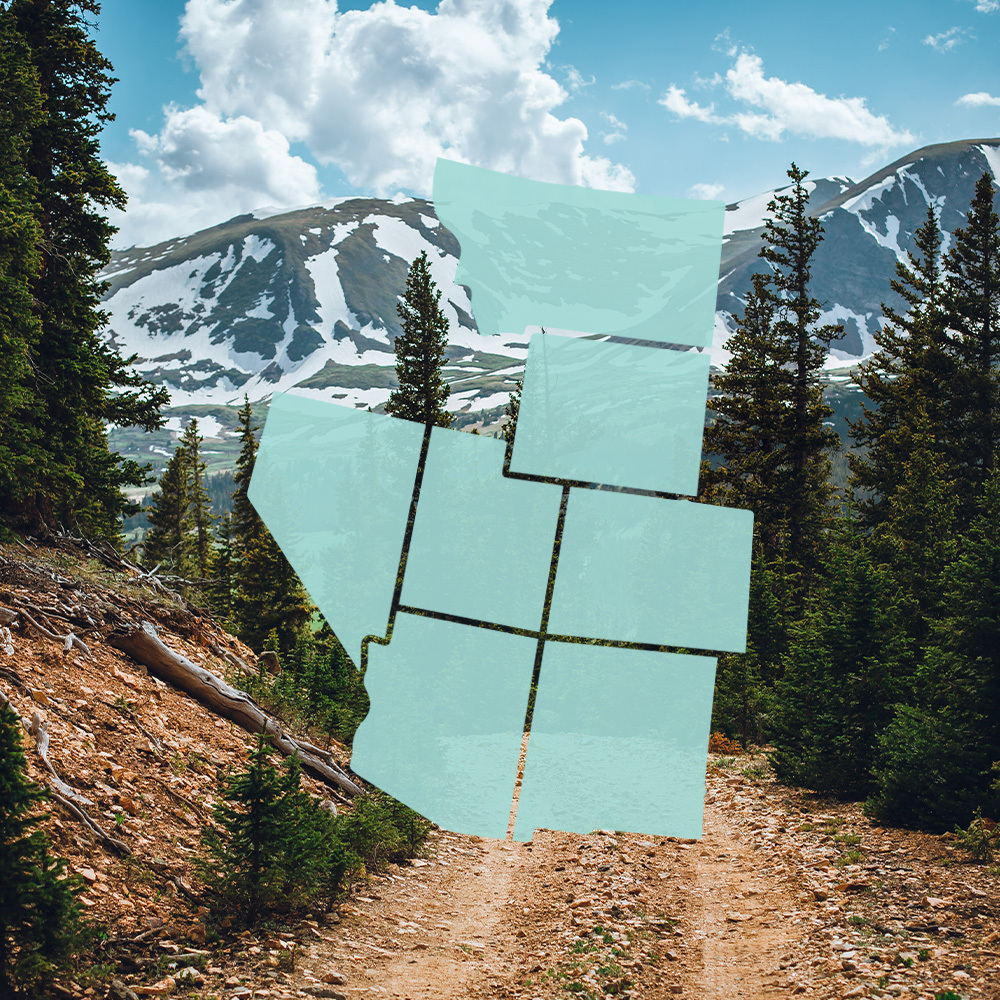
Where WRA drives state level action
WRA works across the Interior West and achieves substantial results by focusing on the venues where decisions are made — at state legislatures, within state agencies and commissions, and working directly with utilities, local governments, and municipalities.
- We advocate in front of state utility commissions, shape policy with state legislators, and educate local decision makers on how to advance conservation.
- We use science and research to help state and local governments shape and assess laws and rules that drive change and create accountability.
- We collaborate and build relationships with a broad and diverse group of allies to ensure laws are passed and implemented in good faith to yield real results for all communities.
- We support communities most affected by climate change by advocating for inclusion and ensuring all voices are heard where decisions are made.