September 2, 2026
In response to the Bureau of Reclamation’s Post-2026 Record of Decision and 2027–2028 Operating Guidelines for the Colorado River, conservation and sporting groups — American Rivers, National Audubon Society, Environmental Defense Fund, The Nature Conservancy, Theodore Roosevelt Conservation Partnership, Trout Unlimited, and Western Resource Advocates — issued the following statement:
The Bureau of Reclamation recently finalized the Post-2026 Record of Decision, a ten-year framework for Colorado River operations, along with the first Operating Guidelines, covering 2027–2028. Nevada has since filed suit challenging aspects of the process behind those decisions.
A lawsuit does not change the fact that there is a river to manage, and the Colorado River community cannot put its broader work on hold while legal disputes are resolved. The legal process, interstate and Tribal negotiations, and implementation of the new operating guidelines all need to move forward together.
The immediate task shifts to implementation that will benefit every corner of the Basin.
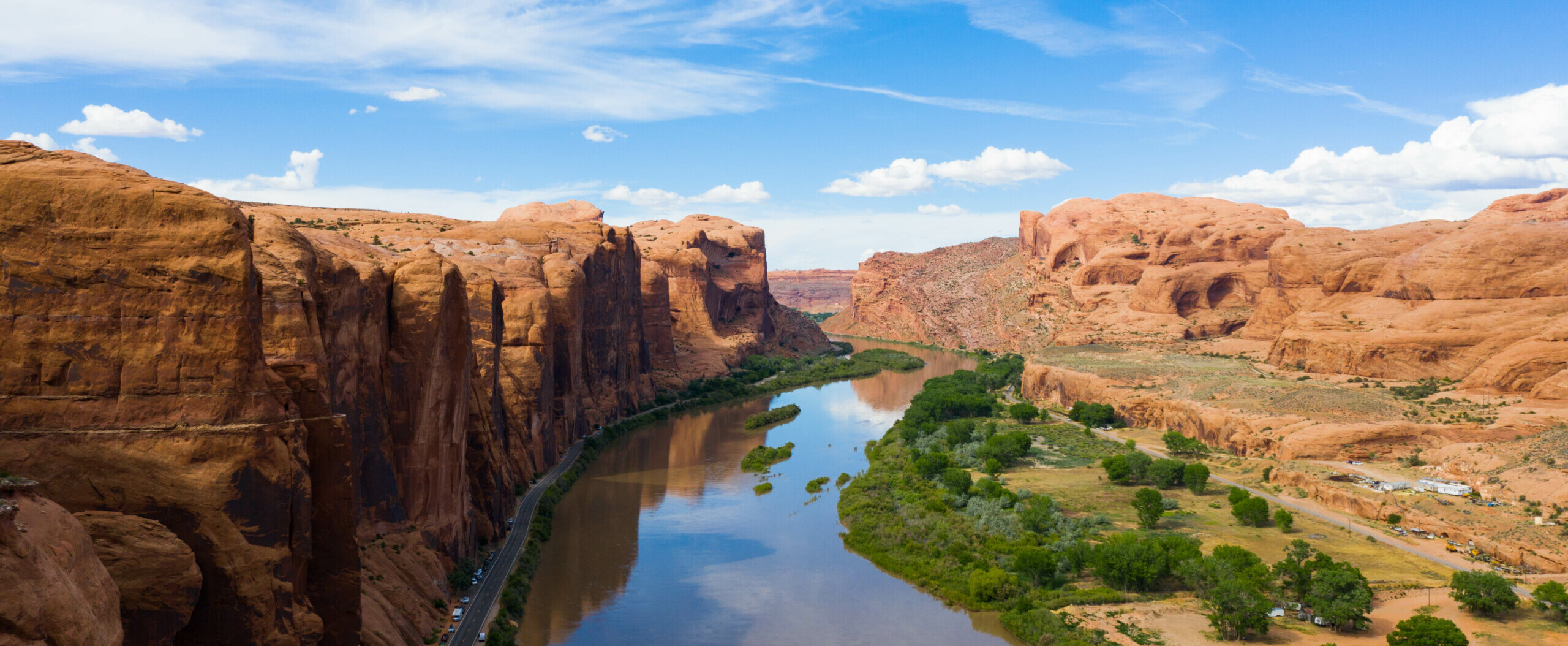
The new decisions governing Colorado River operations after the 2007 Interim Guidelines expire on September 30. Those decisions are the starting point, not the finished product. Long term success will depend on many factors, including how agreements and consultations are carried forward, how conservation programs are developed and implemented, and how investments in water supplies, watersheds, and the built and natural infrastructure are deployed to strengthen the Basin’s resilience.
The real measure of this next phase will be the outcomes: a Colorado River system better equipped to adapt to variable hydrology, respond to changing conditions, and sustain reliable water supplies and healthy rivers over time. The solutions may look different in different places, but they can work together to strengthen the river system we all depend on.
That requires the Basin to:
- Complete the work already underway, openly. The agreements, consultations, and other actions the Guidelines contemplate on sharing in water shortages, conservation, and Tribal water rights need to move forward with transparency and meaningful engagement across the Basin. This includes finalizing the Lower Basin plan for 1.25 million acre-feet of water-use reductions in both 2027 and 2028 and the plans for an Upper Basin contribution program.
- Protect water supplies and the systems that sustain them. Reliable water for communities, farms, and businesses depends on healthy rivers, watersheds, and natural systems, as well as sound infrastructure and effective management.
- Build on Tribal participation. Tribal Nations need a solid, dependable role in shaping the Colorado River’s future, in the new Guidelines and beyond.
- Ensure decisions are transparent and science-based. Basin states, Tribes, water users, Mexico, and the public deserve confidence that operational decisions reflect the best available science and changing conditions.
- Invest at the scale this moment requires. Durable resilience depends on sustained federal and non-federal investment in conservation, watershed and river restoration, water-supply reliability, and critical infrastructure — the tools that reduce risk and strengthen the Basin before the next crisis arrives.
Our organizations have spent decades working alongside Reclamation, the Basin states, Tribal Nations, water users, and communities to strengthen the Colorado River system. We will keep doing that work.
No single decision can address the full range of challenges facing the Colorado River. Regardless of what the Record of Decision establishes or what happens in court, the underlying challenges remain, and there is much that can be done together to address them. That work continues now — through implementation, investment, and keeping everyone at the table.
Contact: Caitlin Weber, 505-372-4937, caitlin.weber@westernresources.org