
September 21, 2026
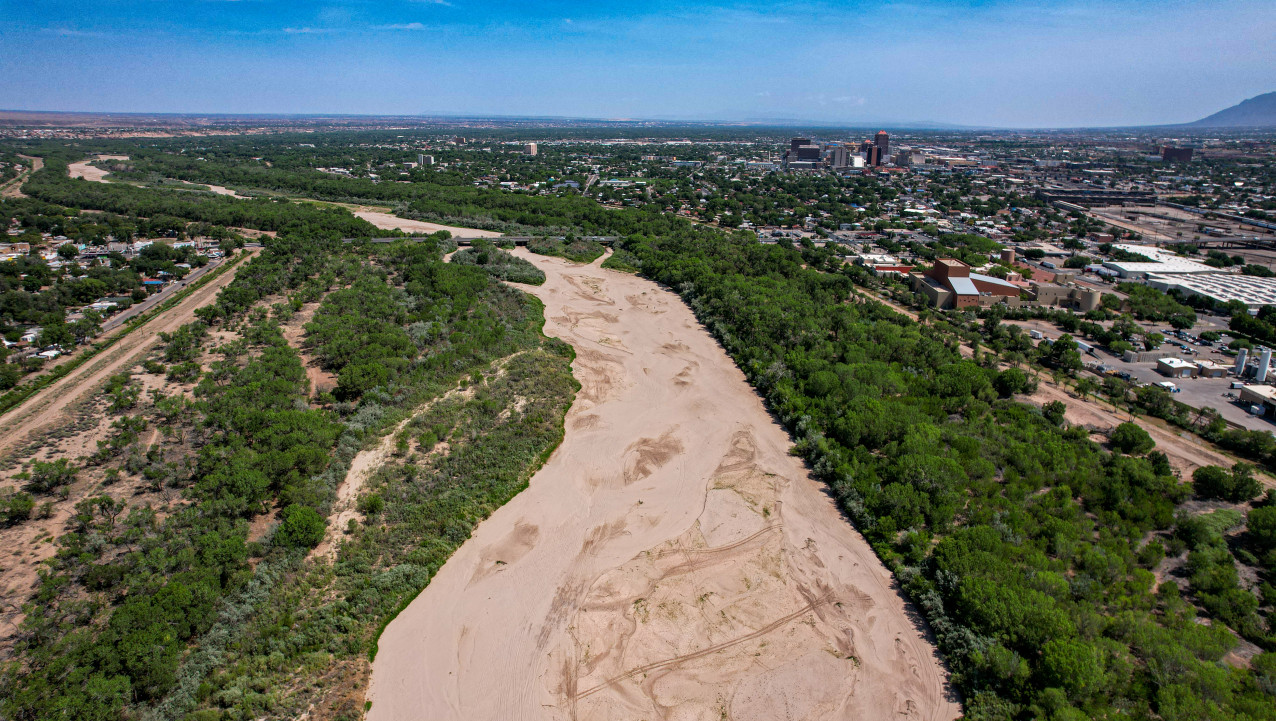
- More than 112 miles of the Rio Grande through Albuquerque dried this summer, and over 100 miles of the river dries in the southern part of the state every year.
- The disappearance of the state’s largest river is not normal or natural, but it is becoming increasingly common thanks to climate change and unsustainable water demands.
- WRA is advocating for strong state policy to fill the void left by federal rollbacks to the Clean Water Act and is working to build state capacity to protect rivers like Rio Grande.
Growing up near the banks of the Rio Grande, the river and its surrounding forest was a frequent place for me to run, bike, and enjoy a rare source of water in New Mexico.
Children in Albuquerque are no longer having this experience.
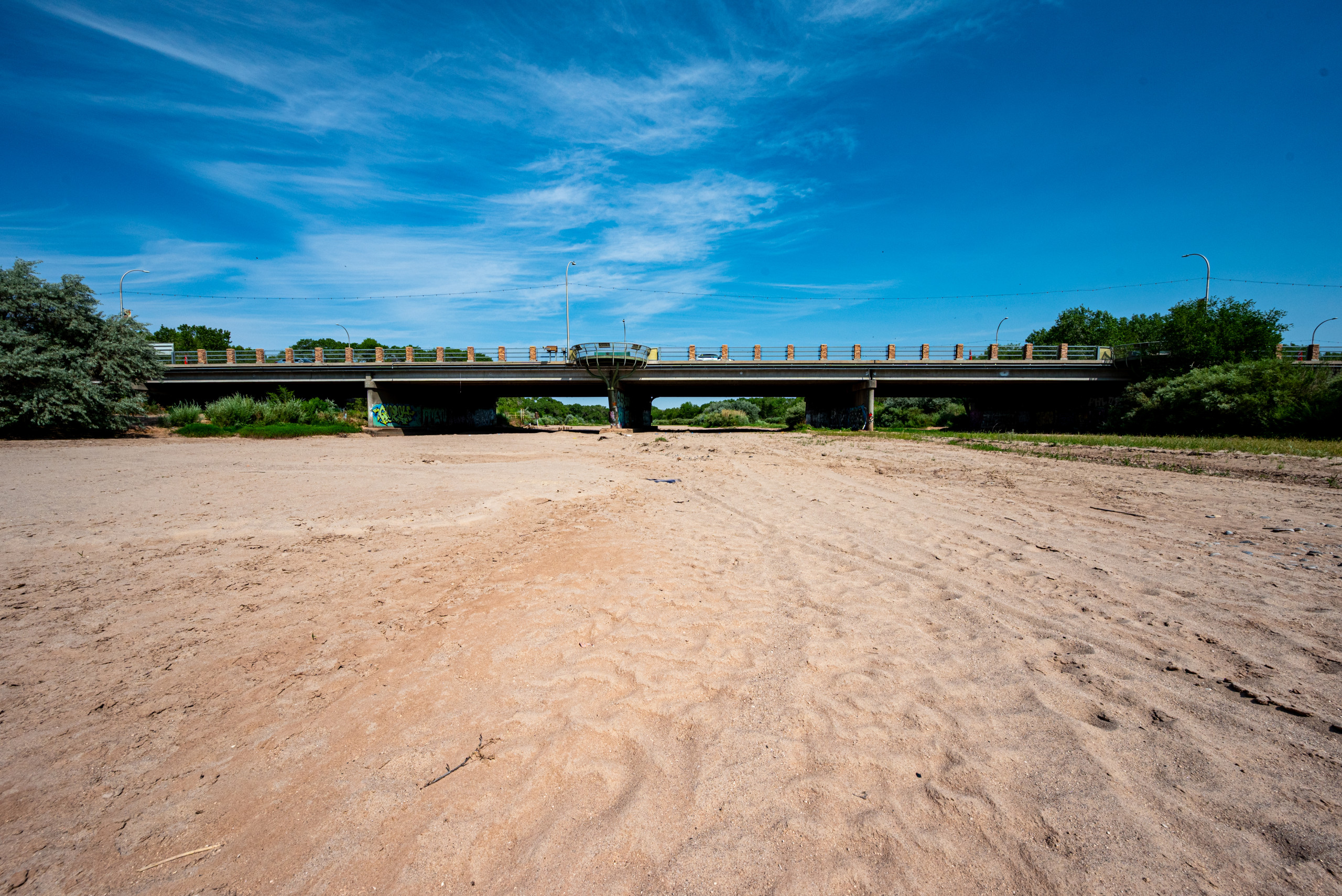
For most of the summer, the river took its last breath just north of the city before collapsing into the sand.
More than 112 miles of the Rio Grande through Albuquerque dried.
The disappearance of the state’s largest river is not normal or natural, but it is becoming increasingly common thanks to climate change and unsustainable water demands. Over 100 miles of the Rio Grande dries in the southern part of the state every year — from Elephant Butte Reservoir, into New Mexico’s famous Hatch Valley, all the way to the Texas state line and beyond. This year, the river ran for a mere two months in southern New Mexico and will remain dry until next summer.
Despite recent wet weather in some parts of the state, more than 97% of New Mexico is still experiencing drought.
In Albuquerque, the river has only been fully dried three times since 1978, and all have happened in the past 5 years.
Each drying event brings disastrous consequences.
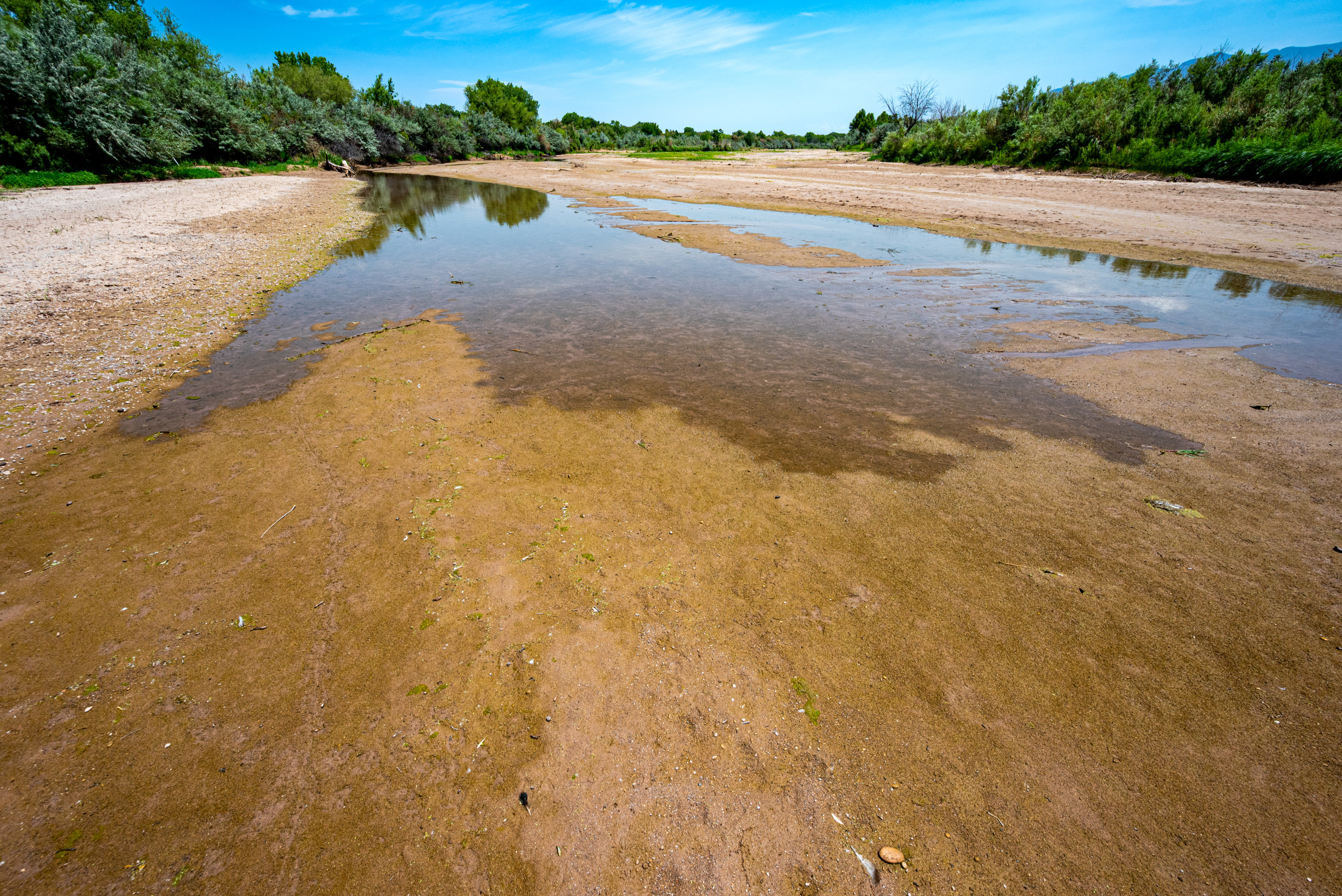
At Tingley Beach this summer — a popular place to picnic and fish in Albuquerque — the sights, smells, and sounds of the river were long gone. There were no herons hiding in the willows. There was no earthy smell of damp cottonwood leaves and silt. There was no laughter from children playing at the water’s edge. Even the remains of the fish that perished were mostly gone. All that was left of the river was a hot, sandy channel
A few miles downstream, stakes marked where crews undertook the expensive and tedious process of plucking endangered fish from the retreating river. Rescue missions like this are now becoming an annual occurrence.
Dry ups of this magnitude threaten to forever change the bosque — New Mexico’s riverside forest. Some of the cottonwood trees along the Rio Grande are roughly 85 years old, taking root as the U.S. was entering World War II and travelers were road tripping down a freshly paved Route 66 awash in neon.
Cottonwoods depend on seasonal flooding to germinate and become established, but today those floods are few and far between. A dry river also lowers the water table tree roots need to access to stay alive.
Many people did not expect young cottonwood trees to survive the summer, and they were right. But biologists held out hope that the older trees with their deep taproots might withstand the parched conditions — until those trees started dropping leaves too. We could see roughly 30% fewer trees next year in the bosque.
It’s now clear that a few more years like this one could kill the bosque.
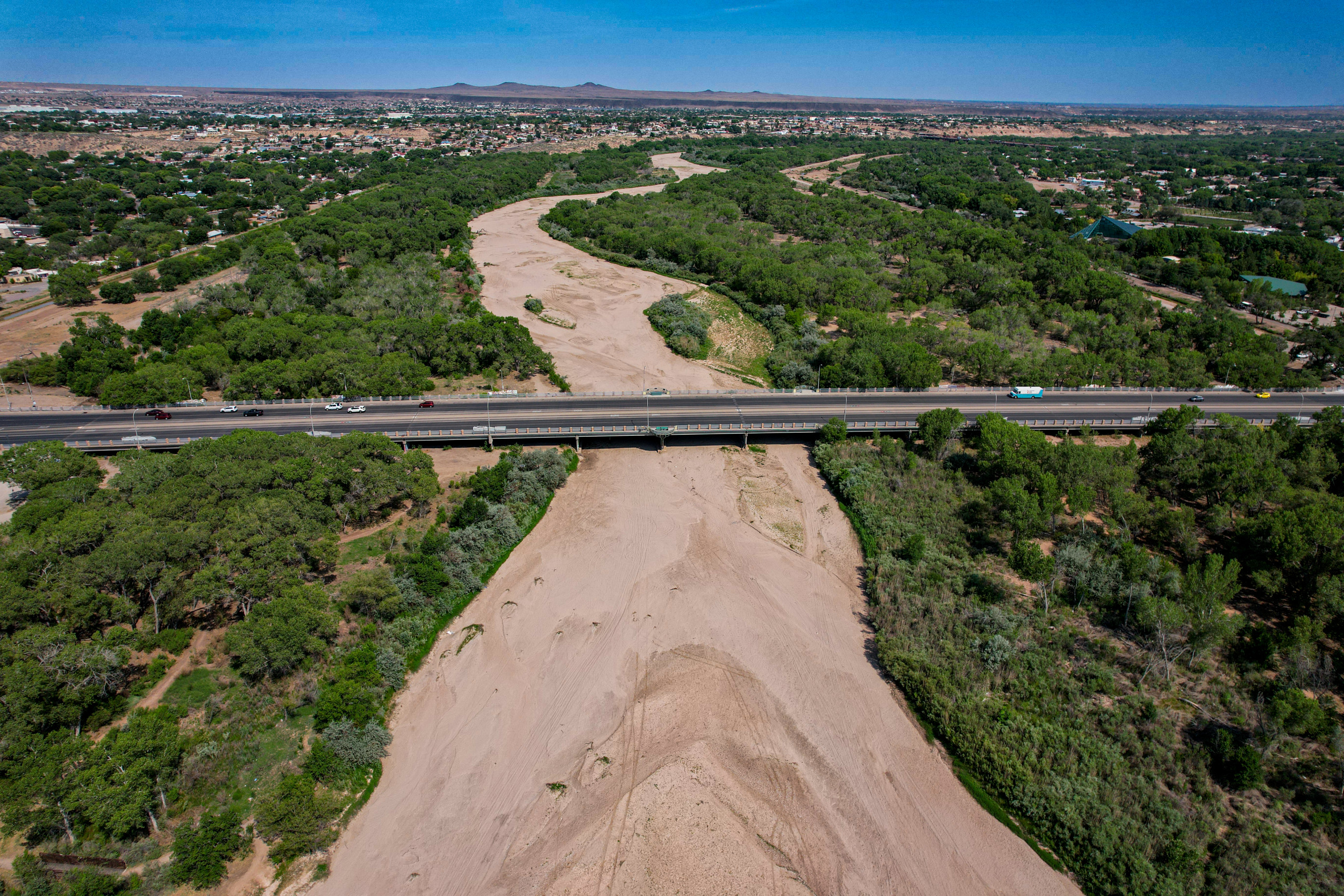
To make matters worse, the struggling river is at risk of losing federal protection under the Clean Water Act. Proposed rollbacks from the Trump administration would strip protections from rivers that are dry more than 30 days. The Rio Grande dried for months.
The federal government may have written off the Rio Grande, but New Mexico can’t afford to.
A few weeks ago, Audubon Southwest, the Albuquerque Bernalillo County Water Utility Authority, and the Middle Rio Grande Conservancy District teamed up to release a pulse of water into the Rio Grande. It is an emergency infusion to provide some relief to a dying bosque.
Their efforts and recent rainfall hopefully bought the bosque a little time. Now we need to implement long-term solutions.
First, we need strong policy at the state level to fill the void left by federal rollbacks. WRA worked with New Mexico legislators to pass Senate Bill 21 in 2025 allowing the state to create its own rules to protect streams and wetlands. We are now engaging in the rulemaking process to make sure the law does what it promised.
We also need more state capacity to maintain healthy river flows and keep things from getting this bad in the first place.
It is easier to revive a low river than a dry river. Imagine digging a hole in a sandbox and attempting to fill it with water. The first several buckets of water disappear below the surface. It is only once the sand is completely saturated that water begins to pool. Dry rivers cannot deliver water to the bosque, farms, businesses, or communities.
New Mexico already has several policy tools to keep our rivers flowing, including
- Timing reservoir releases to benefit river health
- Developing cooperative agreements with farmers to keep priority streams from drying
- Leveraging the state’s Strategic Water Reserve to buy, lease, or accept donated water and keep it in rivers to benefit New Mexicans and the environment
But the state lacks the funding and staff capacity to deploy these tools at the right times and scale.
Imagine if we had the resources to get ahead of the Rio Grande dry up instead of accepting it as an inevitable outcome. We might have limited the number of river miles that dried, reduced the need for expensive fish rescues, alleviated the strain felt by communities, and protected more of the bosque. We could have ended this summer knowing that — while the drought impacted us all — we did everything we could to minimize the damage.
New Mexico is expecting a 25% reduction in streamflow over the next 50 years. We need to get the most out of every drop. During the 2027 legislative session, WRA will be advocating for more state staff and funding to ensure that New Mexico can take advantage of every opportunity to maintain healthy flows on the Rio Grande and other rivers across the state.
This summer showed us that the status quo is not enough to protect New Mexico’s mightiest river. We need to redouble our efforts, ramp up state protections, and build greater capacity.