
June 14, 2026
Once overlooked as drab, windowless buildings, data centers — the physical infrastructure powering artificial intelligence and the internet — are more than what meets the eye. These facilities are the energy-hungry powerhouses supporting the surge of AI and are now the subject of controversy, front-page news, and the latest frontier in the nation’s energy future.
The TLDR:
- Nevada data centers are asking for so much new power it would require the state’s largest utility to double its entire energy system in just 10 years.
- Data centers could increase NV Energy’s emissions approximately 150% by 2030, compared to projected emissions without data centers.
- A data center developer recently requested to construct its own polluting power sources, saying NV Energy is unable to serve it with enough power at this time.
- Decision makers in Nevada need to enact guardrails to make sure customers aren’t stuck with higher energy bills or left to suffer the effects of increased emissions and worsened air quality.
Last year, WRA provided detailed analysis about what the data center boom means for the West. Since then, data centers have become a kitchen table topic.
Over the last few months, we’ve seen:
- Communities push back against data center construction with little or no public input in Denver, Tucson, rural southern New Mexico, and northern Utah.
- Arizona’s governor pause tax incentives for these tech giants for three years. Legislators in at least 28 other states are looking at similar actions.
- A mysterious, expensive pro-data center advertising campaign for Project Jupiter, a massive data center in New Mexico that could emit more polluting greenhouse gases than Sante Fe and Albuquerque combined.
- A first-of-its-kind law in Utah that requires improved transparency around data center water use.
- And at least 20 proposed data centers canceled after local outcry in just the first three months of 2026, nearly the same number canceled in all of 2025.
With this turbulence as a backdrop, Nevada’s data center boom is equally in full swing. In April, Fleet Data Centers asked the Public Utilities Commission of Nevada for approval to construct its own fossil fuel resources because the state’s largest utility, NV Energy, is currently unable to supply them with enough power. WRA is challenging the controversial request as the Commission determines if this proposal is in the public interest of Nevadans.
This is an unprecedented approach subject to less oversight. Many are starting to ask if the state is ready to handle the impacts of data centers.
NV Energy filed its 2026 integrated resource plan (IRP) in May. The IRP revealed that today, data centers account for 5% of total NV Energy sales, 3% of total Nevada Power Company sales — NV Energy’s southern territory — and 10% of total Sierra Pacific Power Company sales — the utility’s northern territory. In 20 years, the utility projects that data centers will make up 64% of total NV Energy sales, 42% in the south, and 82% in the north.
There’s no doubt data centers, whether regulated or not, are coming to Nevada and a community near you. State leaders face a pressing question: Do we allow this demand to surge unchecked — with potentially drastic impacts on our grid, electricity bills, air, and water — or do we meet the moment with smart guardrails?
Nevada’s Data Center Demand
Nevada is currently home to 71 data centers, with many more — like Fleet Data Centers — looking to develop in the Tahoe-Reno Industrial Center in northern Nevada.
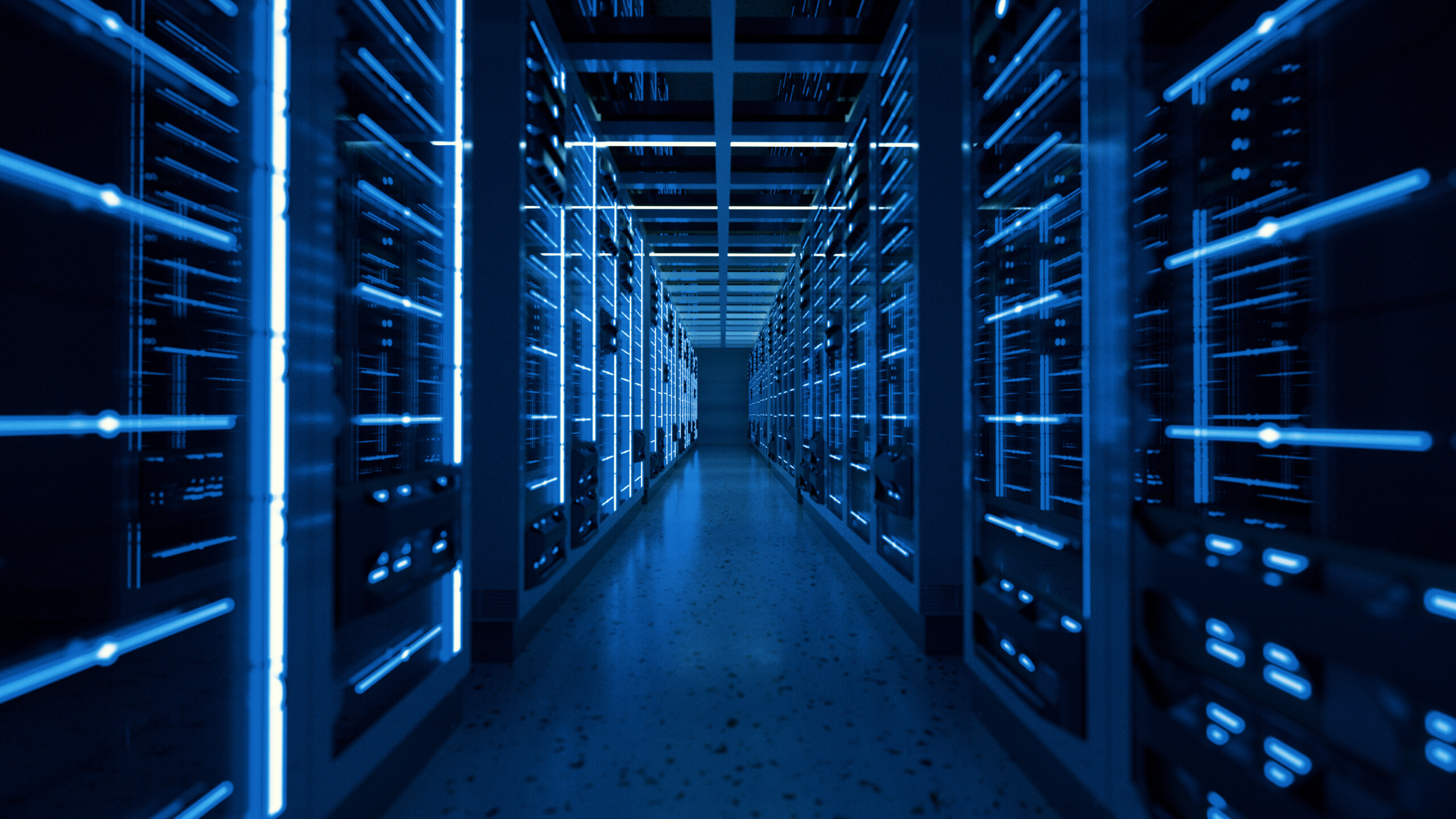
Data centers are rushing to Nevada due to its expansive open space and its data center-specific tax incentives. But the existing energy demands of these facilities could look minuscule compared to the potential demand new data centers are bringing.
Back in 2025, proposed projects were requesting more energy than the entire residential population of the Las Vegas Valley and nearby communities. As of March 2026, data centers are asking for so much energy it would require the utility to double its entire energy system capacity, which took a century or more to build, in just 10 years.
That increasing demand for energy, called load growth, is jaw-dropping but it’s unlikely that all those requests will become operating data centers. That is because developers often pitch their projects to many utilities around the country with plans to eventually select just one location. The utility, however, is still likely to see a portion of these energy demands become a reality.
In a region that has historically seen total annual electricity sales grow around 1% per year, these increases over such a short time are truly unprecedented. If utilities don’t meet this new electricity demand with clean resources like solar and geothermal and with storage solutions like batteries, unregulated data centers will drive utility bills even higher and worsen extreme heat and drought for everyday Nevadans.
Data Center Utility Bill Implications
It’s clear that more data centers are coming to Nevada. But who will cover the costs? Without common sense guardrails, it could be you.
Meeting all that energy demand will require utilities to build new energy generation and storage, transmission lines, and invest in grid upgrades. This infrastructure will cost billions of dollars.
If protections aren’t in place, NV Energy could start building new energy projects to serve tech companies that have no loyalty to Nevada and could abandon their commitments at any time. Someone would still have to pay for those “stranded” built or partially built energy resources.
Unless regulators update utility rate structures, the resulting “stranded costs” could be passed on to local households and businesses through higher utility bills, including to the utility’s most energy insecure customers. This is a consequence that is far from fair.
Data Center Air Pollution and Water Impacts
Besides putting pressure on the strained energy grid, data centers also pose threats to limited water resources. All that surging energy and computing power require these facilities to be equipped with cooling mechanisms, which demand water, no matter how efficient the system is.
Last year, 10 data centers in the Las Vegas area consumed 352.6 million gallons of water with evaporative cooling — the least efficient cooling method that’s akin to giant swamp coolers. That amount of water could support 2,000 households for a year.
While local jurisdictions like the Southern Nevada Water Authority have regulations in place to prevent data centers from installing high-water-use cooling systems, data centers in other parts of the state don’t have to follow those restrictions. And a lack of reporting requirements means that state decision makers and local water managers have little insight into data centers’ water use. 
In the nation’s driest state, impacts to our water resources are far from trivial. And Reno, located near the Tahoe-Reno Industrial Center, is considered the fastest-warming city in the U.S.

The pollution and heat-trapping greenhouse gases emitted by data centers powered by fossil fuels will worsen already poor air quality and further increase climate change-driven heat.
Ninety-three percent of Nevadans already live in places impacted by unhealthy air, yet the utility is saying it will likely invest in polluting methane gas to meet data center demands.
In 2024, NV Energy expected greenhouse gas emissions in 2030 to be 53% higher than estimates made just two years earlier. Now, the utility expects emissions to jump an astounding 150% by 2030 and 240% by 2035, compared to scenarios without the electricity demand of planned AI-driven data centers. NV Energy also states it will miss renewable energy requirements, largely due to data center demand.

It’s clear that data centers are the primary driver behind rising emissions and pose unprecedented challenges in the fight to limit climate impacts like drought, extreme heat, and catastrophic wildfire. And this news is set against an already bleak climate backdrop.
In December 2025, the Nevada Department of Environmental Protection found the state’s emissions reductions goals fell further out of reach. Nevada isn’t even halfway to the emissions reductions mark the state planned to reach in 2030 — and this is before the utility revealed its emissions could rise over 100% by 2030. While these targets are set in statute, Nevada law imposes no consequences when the state falls short.
In Nevada, the impacts of climate change are not an abstraction. It’s essential that regulators and legislators see data center load growth for what it is — an unprecedented challenge — and plan accordingly.
What We Can Do About Data Centers
Nevada’s grid is on the brink of systemic change, but the good news is we haven’t reached a tipping point yet.
There is still time for the state to get this right and allow data centers so long as the developers pay their fair share, avoid impacts to regular utility customers, limit water use, and bring their own pollution-free power and storage.
Regulators and stakeholders will hash out many of these decisions in NV Energy’s 2026 IRP and Rule 9 Tariff. This rule will determine how the costs and risks of connecting data centers will be shared between NV Energy customers.
WRA will be there every step of the way. We’ll be closely assessing the utility’s projections and presenting frameworks that will protect everyday ratepayers without worsening the state’s climate outlook.
Data center guardrails must include:
- Minimum contract durations that ensure developers can’t pick up and move elsewhere on a dime and leave Nevadans to foot the bill for investments in energy infrastructure made on behalf of data centers.
- Performance obligations to make sure that the forecasted energy demand from data centers ramps up as expected, and data centers pay for the grid investments needed to serve them.
- Clean energy tariffs that outline the terms, conditions, and rates that enable utilities to supply clean energy to specific data center customers without passing costs on to regular bill payers. Data centers should pay their fair share and drive clean energy investment.
- Flexible interconnection that would require data centers to reduce their energy demand during times when the grid is most strained to ensure households and businesses receive power on demand, especially when it’s needed most. This also avoids the need to build costly utility infrastructure to meet spikes in demand.
- Closing loopholes that allow data centers to be powered directly with methane gas and evade Nevada’s renewable energy requirements and climate goals.
- Water reporting requirements stipulating that data centers must report annually on both the cooling systems used and the yearly water demands of their facilities to increase transparency and better allow states to plan for the potential impacts to their water resources.
The Nevada General Assembly will convene again in 2027, and it’s likely that data centers and the question of how to address them will take center stage.
WRA recently presented to Nevada’s Interim Growth and Infrastructure and Natural Resources committees at a convening dedicated to data centers and their impacts and outlined both the clear threats and the needed solutions.
While data centers could bring us the computing power of the future, their impacts, if unregulated, threaten to drag us into the past. And given NV Energy’s ongoing backsliding, the state needs swift action and smart policies to ensure these facilities don’t increase bills for hardworking Nevadans, degrade already poor air quality, and threaten precious water supplies.
Nevada decision makers must act now to ensure the state sets up reasonable guardrails and puts the needs of Nevadans before those of Big Tech. Tell your representatives to advance data center guardrails in Nevada and around the West.